
It’s the golden age of “spec sheet” marketing. You walk into a store and you’re bombarded with numbers that have lost all connection to reality. 200 Megapixels. 7300mAh batteries. AI that promises to think for you. Yet, despite these inflated numbers, the average user experience remains plagued by the same old demons: batteries that degrade after a year, shutters that lag when your child moves, and processors that throttle the moment you launch a high-fidelity game.
The context here is crucial. Manufacturers have hit a hardware ceiling. To convince you to upgrade, they aren’t giving you better phones; they are giving you bigger numbers. A 200MP camera does not guarantee a good photo if the image signal processing (ISP) is trash. A massive battery doesn’t mean all-day power if the display driver is inefficient. We’re seeing a divergence between “on-paper” power and “in-hand” utility.
Our promise is simple. We stripped away the press releases and the glossy renders. We analysed the engineering, the material science, and most importantly, the actual user feedback buried under the five-star bot reviews. We found the underlying mechanisms that separate a device that looks good on a spec sheet from one that actually survives a 14-hour workday. These are the only 5 options worth your money this year.
TL;DR: The Quick Verdicts
| Rank & Product | Best For… | The “One-Line” Verdict |
| 1. Apple iPhone 17 Pro Max | The Ecosystem Loyalist | The A19 Pro chip finally balances raw power with actual thermal efficiency. |
| 2. Samsung Galaxy S25 Ultra | The Productivity Titan | A pocketable desktop computer that justifies its bulk with the S Pen. |
| 3. OnePlus 15 5G | The Endurance Gamer | Brute-force battery specs that embarrass the competition, if you can tolerate the bugs. |
| 4. Google Pixel 10 Pro XL | The AI Photographer | The smartest camera you can buy, attached to a phone that is merely “okay.” |
| 5. Samsung Galaxy Z Fold7 | The Mobile CEO | The only foldable durable enough to stop feeling like a science experiment. |
The Lab Standard: How We Grade Quality
We don’t use vague terms like “smooth” or “fast.” In this tier, we grade based on three critical performance metrics:
- Compute-Per-Watt: This is the efficiency metric. It is not enough to have a fast processor; the chip must deliver high frame rates without turning the chassis into a radiator. We look for sustained performance without thermal throttling.
- Input Latency: The usability metric. This measures the milliseconds between your finger touching the glass and the pixel changing colour. High refresh rates (120Hz+) are useless if the touch sampling rate lags.
- Cycle Stability: The endurance metric. We ignore the advertised “hours of playback” and look at the battery chemistry and thermal management. Does the phone maintain charge under load, or does it plummet when the GPU spins up?
#1. Apple iPhone 17 Pro Max
A masterclass in thermal engineering that finally uncorks the potential of the Pro silicon.

Apple iPhone 17 Pro Max 256 GB: 6.9-inch Display with ProMotion, A19 Pro Chip, Best Battery Life in Any iPhone Ever, Pro Fusion Camera System, Center Stage…
- Thermal Mastery: The heat-forged aluminum unibody allows the A19 Pro chip to run at peak speeds without throttling or dimming the screen.
- Cinema-Grade Video: The 48MP Fusion Camera System paired with Center Stage makes this the only viable choice for mobile content creators.
- Spec Highlight: 37 Hours of video playback (linear drain, not just standby time).
- Spec Highlight: A19 Pro Chip (6-core GPU) provides the best compute-per-watt efficiency in the industry.
- Who it’s for: The Ecosystem Loyalist and Video Pro who needs a device that is reliable 100% of the time.
The Engineering & Design
The “Secret Sauce” here isn’t just the A19 Pro Chip, though that is the engine. The real innovation is the heat-forged aluminium unibody. After flirting with Titanium, Apple has returned to a material that offers superior thermal conductivity. This allows the A19’s 6-core GPU to sustain peak loads without the dimming screen issues of previous generations. The Ceramic Shield 2 adds necessary rigidity, but the aluminium heat dissipation is why this phone hits 37 hours of video playback.
The Performance Experience
Using the iPhone 17 Pro Max feels deceptively calm. The ProMotion display (up to 120Hz) coupled with the A19 Pro results in a UI that feels glued to your finger. The 48MP Fusion Camera System is the anchor spec, but the experience is defined by the Center Stage front camera. It doesn’t just crop; it actively reframes, making video calls feel like they are directed by a human operator. The battery claim is 37 hours, and unlike competitors, this is linear—it doesn’t drop off a cliff when you start recording 4K video.
What Customers Say About iPhone 17 Pro Max
- The Frustration: Quality control on the software side seems hit-or-miss for early units. One user noted it “restarted over 40 times” in three days, indicating potential instability in the initial OS build.
- The Consensus: It is a “powerhouse” that stays cooler than the iPhone 15/16 Pro series. Users consistently mention the “fluid motion” of the larger 6.9-inch display.
- The Praise: The battery life is the standout winner. Owners claim they can get “a full day and a half of normal use” without anxiety.
The “Fatal Flaw”
The sheer size is polarizing. At 6.9 inches, it crosses the line from “large phone” to “small tablet.” Users warn it is “slightly heavier” and “bulky,” making one-handed use nearly impossible for anyone without NBA-sized hands.
Who Is This For?
The “Video Pro” who needs a reliable B-camera and the “Ecosystem Loyalist” who is tired of carrying a battery bank.
#2. Samsung Galaxy S25 Ultra
The Swiss Army Knife of smartphones that trades ergonomics for sheer utility.
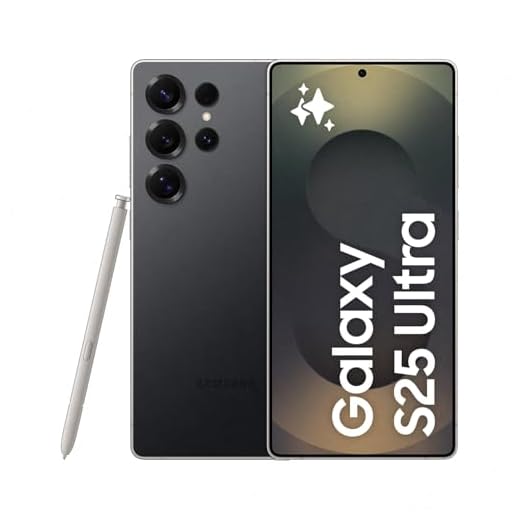
Samsung Galaxy S25 Ultra AI Smartphone, Galaxy AI, 12GB Memory, 512GB Storage, 200MP Camera, S Pen Included, Titanium Black, 3 Year Manufacturer Extended…
- Pocket Computer: The S Pen stylus transforms this from a phone into a precision editing tool for documents and media timelines.
- Visual Dominance: The QHD+ AMOLED display with 500 PPI makes it the sharpest panel for media consumption and reading.
- Spec Highlight: 200MP Main Camera powered by the ProVisual Engine for unmatched cropping capability.
- Spec Highlight: Snapdragon 8 Elite (Custom tuned) offers the highest raw graphical throughput for emulation and gaming.
- Who it’s for: The Productivity Titan who refuses to carry a laptop and needs absolute precision input.
The Engineering & Design
Samsung continues to bet on the Snapdragon 8 Elite. This isn’t the standard bin; it is a custom-tuned version designed for the S25’s cooling chamber. The “Secret Sauce” is the ProVisual Engine, a dedicated image processing pipeline that leverages the NPU (Neural Processing Unit) to handle the data stream from the massive 200MP Main Camera. The chassis uses a Titanium Black frame, maintaining rigidity while shedding grams compared to steel.
The Performance Experience
The S25 Ultra is about brute force capability. The 200MP camera allows for cropping that mimics optical zoom, but the real star is the QHD+ AMOLED display. It hits a pixel density of 500 PPI, making text look like print. The S Pen remains unmatched for precision inputs—signing PDFs or editing timelines on a phone is only viable here. Gaming performance sees a boost with “improved real-time ray tracing,” making it the closest thing to a portable console in this list.
What Customers Say About Samsung Galaxy S25 Ultra
- The Frustration: The upgrade path is stagnant. Owners of the S23 Ultra find “no compelling reason to upgrade,” citing the experience is too similar for the price tag.
- The Consensus: It is a “very quick and functional” device. The screen brightness and QHD+ resolution are universally cited as the best in class for media consumption.
- The Praise: The S Pen functionality and the versatility of the camera system (specifically the zoom) keep users loyal.
The “Fatal Flaw”
Battery mediocrity. Despite the size, users describe the battery life as “normal but not perfect.” It gets you through the day, but it lacks the multi-day confidence found in the iPhone 17 Pro Max or OnePlus 15.
Who Is This For?
The “Productivity Titan” who treats their phone as a primary work computer and needs the stylus for precision tasks.
#3. OnePlus 15 5G
A spec-sheet monster that delivers record-breaking battery life but trips over its own software.

OnePlus 15 5G Smartphone, 16GB RAM 512GB Memory, Snapdragon 8 Elite Gen 5, 7300mAh Battery, 4K 120FPS Dolby Vision Video, Triple 50MP Camera, 120FPS Gaming,…
- Battery Revolution: The Silicon NanoStack technology fundamentally changes how you use a phone, offering multi-day endurance in a slim profile.
- Warp Speed Charging: 120W SUPERVOOC charging eliminates “battery anxiety” entirely—a 15-minute charge lasts all day.
- Spec Highlight: 7300mAh Battery, significantly larger than any direct competitor.
- Spec Highlight: 4K 120FPS Dolby Vision recording and playback for high-fidelity media.
- Who it’s for: The Endurance Gamer who values raw specs and screen-on time over software polish.
The Engineering & Design
OnePlus has achieved an engineering marvel with its Silicon NanoStack battery. This technology allows them to cram 7300mAh into a chassis that doesn’t feel like a brick. Combined with the Snapdragon 8 Elite Gen 5, this phone is built for raw throughput. The 120W SUPERVOOC charging is not just fast; it changes your behaviour. You don’t charge overnight; you charge while you shower.
The Performance Experience
This is the endurance king. The 7300mAh cell delivers a claimed 31 hours of video playback, but in gaming terms, it translates to sustained 120FPS sessions without hunting for a wall outlet. The display is a 4K Dolby Vision panel, which is overkill for most but stunning for supported content. The phone feels fast in a frantic, urgent way, pushing frames at a rate that makes standard 60Hz screens look broken.
What Customers Say About OnePlus 15
- The Frustration: Connectivity bugs are prevalent. Users report “Bluetooth is shockingly bad,” with the phone forgetting devices and dropping connections. Call quality is described as “mediocre.”
- The Consensus: It is a “Flagship killer” in terms of hardware performance. Users feel it “obliterates the likes of Samsung and Apple” regarding speed and charging.
- The Praise: The charging speed and battery capacity. “30 minutes battery full” is a lifestyle change that owners evangelize.
The “Fatal Flaw”
The software reliability does not match the hardware excellence. The Bluetooth and connectivity issues suggest that OxygenOS 16.0 still lacks the polish of iOS or One UI, making it a risky buy for business users who need 100% uptime.
Who Is This For?
The “Endurance Gamer” who prioritizes screen-on time and frame rates above all else.
#4. Google Pixel 10 Pro XL
The smartest camera on the market, trapped in a body that struggles to keep up.
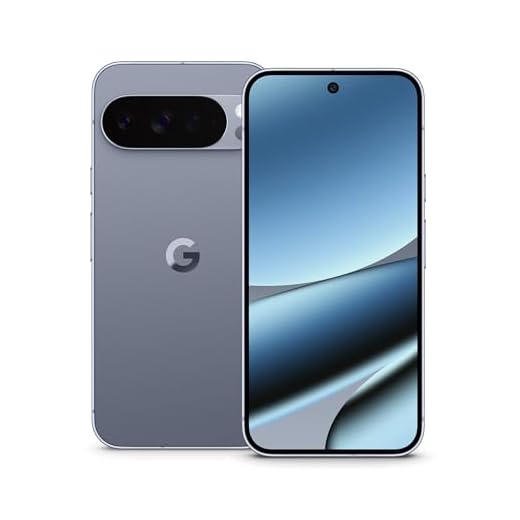
Google Pixel 10 Pro XL – Unlocked Android Smartphone with Gemini, Triple Rear Camera, 24+ Hour Battery and 6.8" Super Actua Display – Moonstone, 512GB
- The AI Assistant: Deep integration of Gemini Advanced allows for complex, conversational tasks and real-time image manipulation that other phones can’t touch.
- Outdoor Visibility: The screen is readable in the harshest direct sunlight, solving a major pain point for outdoor users.
- Spec Highlight: Super Actua Display hitting 3300 nits of peak brightness.
- Spec Highlight: Tensor G5 Chip designed specifically for local AI model processing rather than raw benchmark scores.
- Who it’s for: The AI Photographer who wants the smartest camera and a helpful OS, even if it sacrifices raw gaming power.
The Engineering & Design
Google plays a different game. The Google Tensor G5 chip isn’t chasing benchmark records; it is designed to run Gemini Advanced models locally. The “Secret Sauce” is the Super Actua Display, which hits a blinding 3300 nits of brightness. This ensures that the viewfinder is visible even in direct desert sunlight. The integration of AI isn’t an app; it is the OS.
The Performance Experience
The Pixel experience is about software fluidity rather than raw horsepower. The Gemini integration allows for “free-flowing conversations” and complex image editing on the fly. The camera remains the industry benchmark for still photography, particularly with the Triple Rear Camera setup. However, the phone can feel “average” in heavy gaming loads, where the Tensor chip lacks the thermal headroom of the Snapdragon Elite.
What Customers Say About Google Pixel 10 Pro XL
- The Frustration: Gaming performance and battery life are underwhelming for the price. Users note that while the camera is great, the Tensor G5 “is not quite in the same league” as Snapdragon for heavy workloads.
- The Consensus: It is the best point-and-shoot camera phone. The “AI-first approach” with features like Magic Cue and Pixel Journal is genuinely useful, not just a gimmick.
- The Praise: The display visibility. Users claim the Super Actua OLED “wins hands down for sheer brightness” against the Galaxy S24/S25 Ultra.
The “Fatal Flaw”
Inefficiency. Multiple users describe the battery life as “fairly average.” It relies on AI to manage power because the hardware itself is thirsty. If you turn off the AI smarts, the battery drains alarmingly fast.
Who Is This For?
The “AI Native” and “The Photographer” who values a perfect photo over frame rates or multi-day battery life.
#5. Samsung Galaxy Z Fold7
The first foldable that feels like a tool rather than a toy, provided you have a CEO’s budget.
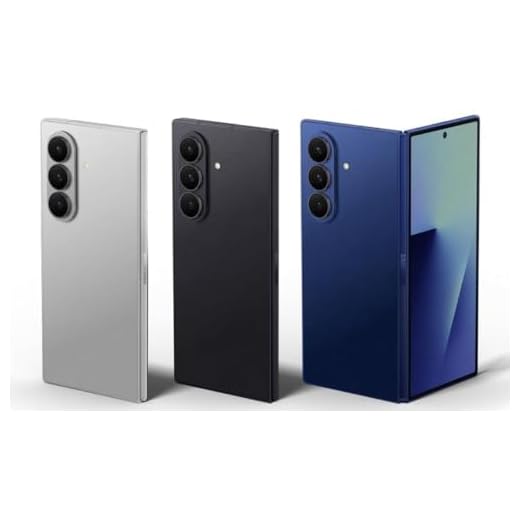
Samsung NEW Galaxy Z Fold7 5G 5'' Foldable Smartphone 512GB Unlocked – Jetblack
- Desktop Multitasking: Run three full apps simultaneously with Gemini Live overlays, making it a true mobile office.
- Durability Upgrade: Armor Aluminum and Gorilla Glass Ceramic 2 finally make the folding form factor feel safe for daily use.
- Spec Highlight: 7.6-inch Main Display turns spreadsheets and dashboards into readable formats.
- Spec Highlight: 200MP Camera System ported from the Ultra series, removing the “foldable camera tax.”
- Who it’s for: The Mobile CEO who needs to review contracts, edit decks, and sign papers without opening a laptop.
The Engineering & Design
The Fold7 solves the fragility anxiety with Corning Gorilla Glass Ceramic 2 and a hinge reinforced with Armor Aluminum. The 8-inch internal display is the canvas for the “Secret Sauce”: Multitasking with Gemini Live. This allows you to run three apps while having an AI overlay summarize data in real-time. It is the thinnest Fold yet, finally reducing the pocket bulge to acceptable levels.
The Performance Experience
Opening the 7.6-inch (approx) screen is transformative for spreadsheets and reading. The 12GB RAM ensures that split-screen apps don’t reload. Samsung has finally ported the 200MP camera system from the Ultra series, removing the penalty for choosing a foldable. The experience is less about phone usage and more about “micro-tablet” usage.
What Customers Say About Samsung Galaxy Z Fold7
- The Frustration: The price. At £1,649, it is an investment. While users are happy, the barrier to entry is the primary complaint implicitly found in the niche user base.
- The Consensus: It is a “Productivity powerhouse.” Owners state they can “watch videos and answer chats at the same time” without compromise.
- The Praise: The build quality. Users note the device feels “solid” and “premium,” dispelling the cheap plastic feel of early foldables.
The “Fatal Flaw”
The Price-to-Durability ratio. Even with “Armor Aluminum,” a folding screen is inherently more fragile than a slab. Paying nearly £1,700 for a screen that you have to baby is a mental tax that some users never get over.
Who Is This For?
The “Mobile CEO” who needs to view full desktop versions of websites and edit documents without opening a laptop.
The Final Verdict: Best Buys of the Top 5
The Professional/Power User:
If your phone is your livelihood, the S25 Ultra is the only logical choice. The S Pen precision combined with the Snapdragon 8 Elite creates a workflow that no other phone can match. It is not the most fun phone, but it is the most capable tool.
The Value/Budget Play:
At £979 (often discounted), this offers the best price-to-performance ratio by a wide margin. You get a 7300mAh battery and a 4K 120Hz screen—specs that cost £1,200+ from Samsung or Apple. You just have to accept the occasional Bluetooth glitch as the tax for saving money.
The Niche Specialist:
For the user who documents their life, the Pixel remains undefeated. The Tensor G5 may not be a gaming chip, but its ability to process images and handle AI tasks makes it the smartest “assistant” in your pocket.
2026 Outlook: The Future of Flagships
Trend #1: Silicon-Anode Batteries
The 7300mAh Silicon NanoStack battery in the OnePlus 15 is the bellwether. Expect Samsung and Apple to adopt silicon-based anodes next year to break the 5000mAh barrier without increasing device thickness.
Trend #2: The Return of Metal Unibodies
Apple’s shift back to heat-forged aluminium suggests that the industry is realising titanium and glass sandwiches are thermal nightmares for high-performance AI chips. Expect a move away from “luxury” materials toward “thermal” materials.
Trend #3: AI as the OS, not the App
The Pixel 10’s deep integration of Gemini foreshadows a future where you stop opening apps. You will simply tell your phone to “edit this photo and send it to Mom,” and the OS will handle the app switching in the background.
Further Reading
- The “Bible” Book: “The Chip War” by Chris Miller. To understand why your phone costs £1,000 and why the Tensor G5 is different from the Snapdragon Elite, you need to understand the geopolitics of silicon.
- The Technical Deep Dive: GSMArena.com. For their standardized battery life endurance tests and sunlight legibility contrast ratios that cut through the “nits” marketing hype.
- The Community Hub: XDA-Developers Forums. This is where the enthusiasts congregate to fix the software bugs that the manufacturers ignore. If you buy the OnePlus 15, bookmark this site immediately.