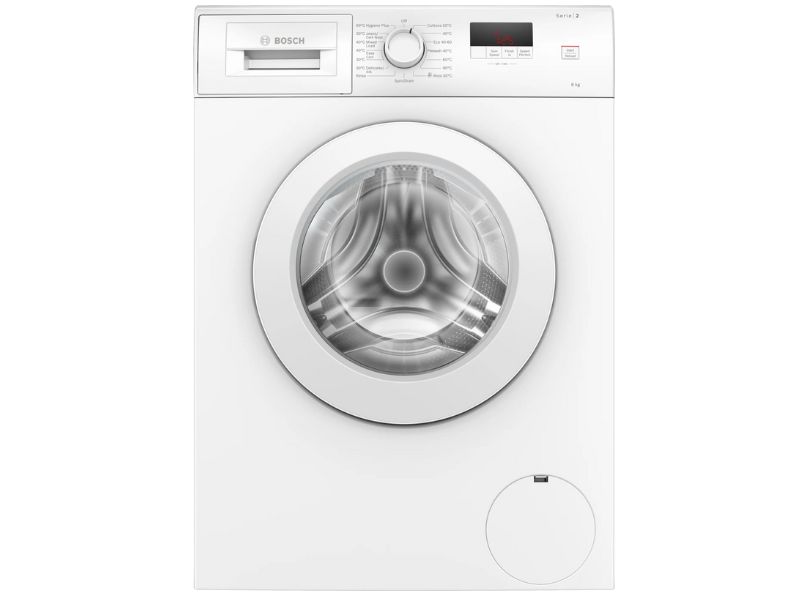
Haier HWD90BP14357TUU 9kg Wash / 5kg Dry 1400rpm Washer Dryer – White
£599.99
Haier HWD90BP14357TUU K 9Kg/5Kg 1400 Spin Washer Dryer – White is a combined washer-dryer ideal for households needing integrated washing and drying. It offers a 9 kg wash capacity, 5 kg dry capacity and a 1400 rpm maximum spin, finished in white.
Haier HWD90BP14357TUU combined washer‑dryer — 9 kg wash, 5 kg dry and 1,400 rpm spin
The Haier HWD90BP14357TUU is a combined washer‑dryer with a 9 kg wash capacity, a 5 kg dry capacity, a 1,400 rpm maximum spin and a white finish. It’s aimed at buyers who need a single, space‑saving appliance to handle regular washing with the option of tumble drying smaller loads — typical fits are flats, couples, small families or homes where separate machines aren’t practical.
Two things matter most when deciding if this model suits you: the mismatch between a generous 9 kg wash drum and the smaller 5 kg dry drum (you’ll frequently need to limit or split dryer loads), and the 1,400 rpm top spin, which helps reduce residual moisture before drying. Those factors will shape how you schedule laundry and whether a combined unit meets your household’s throughput needs.
Managing the wash‑to‑dry capacity mismatch
This appliance pairs a larger washing drum with a noticeably smaller drying capacity, so expect to split some loads rather than tumble‑dry every wash in one go. Practical approaches that work day‑to‑day:
- Separate bulky or heavy items (duvets, large towels, heavy jeans, thick bathmats) from lighter garments before drying — these typically consume most of a dryer’s capacity and can force you into multiple drying cycles.
- For mixed loads, remove the bulkiest pieces after the spin phase and dry the remaining lighter items together; return heavier items to a shorter, separate drying cycle or air‑dry them.
- Keep load sizes modest for quicker turnaround: two shorter dryer runs of concentrated loads often finish sooner overall than one oversized, inefficient cycle.
How the high‑speed spin helps (and what to mind)
The model’s high maximum spin speed reduces residual moisture after the wash, which directly shortens drying time and makes the smaller dry drum more useful. Two practical points:
- Use a faster spin setting for robust fabrics (cottons, linens) to extract more water before drying; choose lower spins for delicates to avoid creasing or damage.
- Remember that the machine will not always run at its top spin — the actual spin depends on the chosen programme and garment care settings, so check cycle options if you want consistent high‑speed extraction.
Daily workflow and routine maintenance (model‑dependent)
Common user patterns are: run a full wash, split the load for drying, or reserve tumble‑dry for smaller batches and air‑dry bulkier items. To keep the appliance performing reliably, follow the manufacturer’s manual, but routinely expect to:
- Clear lint/fluff from any accessible filters, and check for a condensate reservoir or drain arrangement if drying is condenser‑based (confirm in the manual).
- Wipe the door seal and drum regularly and run any drum‑clean cycles recommended by the maker to avoid odours.
- Check accessible service points (filter pump, door seal) periodically — specifics and locations vary by model, so consult the user guide before attempting maintenance.
Installation and specification checks
Before you order, confirm site and product details that will determine fit, installation and running behaviour — these are purchase‑critical.
- Drying technology: confirm whether the tumble‑dry is vented, condenser or heat‑pump and whether it uses a condensate tank or needs a permanent drain.
- External dimensions, door hinge side and required clearances (under‑counter fit, surrounding cabinetry and service access).
- Electrical requirements: voltage, plug type and circuit rating (amperage) — check if a standard socket suffices or a dedicated circuit is needed.
- Drain/plumbing needs for dryer mode and compatibility with your existing waste outlet or condensate routing.
- Official energy rating, typical cycle energy/water use, and expected wash/dry cycle times and noise levels.
- Warranty length, local service/support and availability of spare parts.
- Obtain manufacturer part number, EAN/GTIN/barcode and confirm the listing’s regional variant (clarify the meaning of the leading “K”).