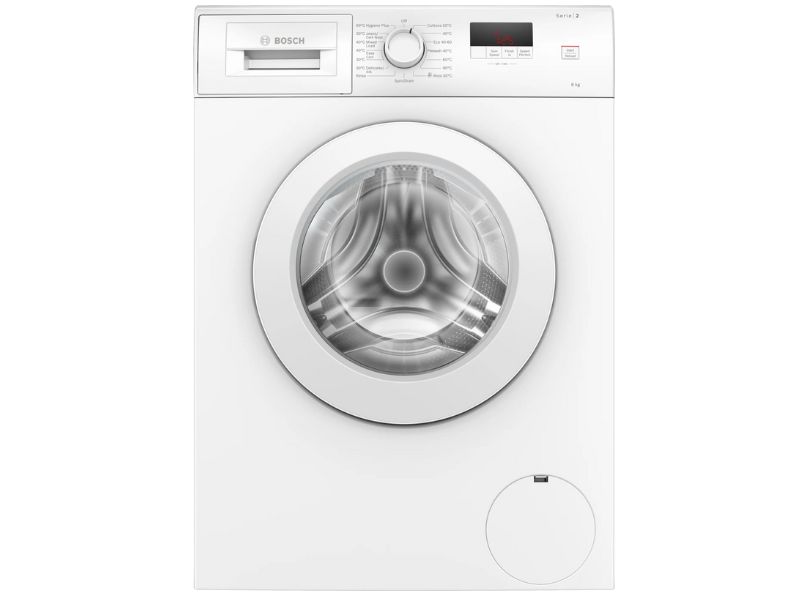
AEG LWR7485M4U 8 kg wash / 5 kg dry Washer Dryer 1600 rpm
£679.00
The AEG LWR7485M4U 8kg/5kg Washer Dryer combines washing and drying in one appliance, ideal for busy households that need to process family laundry without separate machines. It offers an 8 kg wash and 5 kg dry capacity and a 1600 rpm maximum spin to reduce moisture before drying.
Space‑saving laundry: AEG LWR7485M4U 8kg/5kg combined washer‑dryer
The AEG LWR7485M4U combined washer‑dryer is listed with an 8 kg washing capacity, a 5 kg drying capacity and a 1600 rpm maximum spin. It’s aimed at buyers who need a single, space‑saving appliance for regular medium household loads and who can accept that drying capacity is substantially smaller than the wash drum — a practical trade‑off for homes that can’t accommodate separate machines.
Before you decide, two top‑level points matter most: the wash‑vs‑dry capacity mismatch (you’ll frequently need to split loads if you want items dried in the machine) and several unresolved specification items that materially affect running costs and site suitability — notably the dryer technology, official energy figures and installation requirements. Those details determine whether this model fits your utility layout and expectations for energy use and convenience, so obtain the full spec sheet and installation information before purchase.
AEG LWR7485M4U — planning loads when you want machine drying
This combined washer‑dryer pairs a larger wash capacity with a noticeably smaller dry capacity. Practically, that means you should expect to split many full wash loads if you want garments dried in the drum rather than air‑dried. To reduce extra cycles and waiting time, sort laundry by fabric type and by how urgently items need to be dry.
- Put lightweight items together for a single dry cycle and keep heavy towels or bedding to separate loads.
- If you plan to use the dry function frequently, run smaller wash loads when drying is required so you don’t have to divide loads afterwards.
- Use air‑drying or a drying rack for bulky items or items you don’t want to split across cycles.
Spin extraction: what stronger spin means in everyday use
Strong spin extraction removes more water from fabrics, so drying times typically fall and energy used for drying is reduced. That’s an advantage for heavier fabrics and faster turnaround between cycles. However, higher extraction can also increase creasing and strain on delicate items.
Practical steps:
- Select gentler programmes or lower spin options for delicates and mixed loads if creasing or wear is a concern (confirm programme behaviour in the manual).
- Unload promptly after the cycle to minimise creasing and allow items to relax before tumble drying.
- For thick items, expect shorter machine‑dry cycles than with low‑extraction spins, but still check items mid‑cycle to avoid over‑drying.
Daily maintenance and usability tips
Combined washer‑dryers need routine attention to stay reliable. Regular cleaning and simple checks keep performance steady and help avoid surprises when drying.
- Clear any visible lint from the dryer/filter areas after drying cycles and follow the manufacturer’s instructions for pump and filter cleaning.
- Wipe door seals and the detergent drawer periodically to prevent odours and residue build‑up; consult the user manual for recommended intervals.
- Plan laundry flow: using smaller, more frequent wash‑and‑dry batches can be more convenient than very large washes that require splitting for drying.
- Confirm what programmes limit spin speed or load size so you can match cycle selection to fabric care needs and throughput expectations.
Site, specification and compatibility checklist
Before you commit, ask the retailer for the full technical sheet and user manual and verify the items below — these affect whether the machine will fit, install and run acceptably in your home.
- Drying technology: confirm whether the dryer is vented, condenser or heat‑pump and what additional plumbing/vent/ducting (if any) is required.
- Energy and water figures: request the official energy rating and typical kWh and litres per wash and per dry cycle to estimate running cost and suitability.
- Physical fit: obtain exact external dimensions, recommended clearances, cabinet depth including hoses, and the door hinge/opening side.
- Connections and supply: check electrical supply requirements, whether a dedicated circuit is needed, and inlet/drain hose lengths and fittings supplied.
- Noise and spin availability: ask for dB figures for wash and spin and whether the top spin speed is selectable on everyday programmes.
- Identification and support: obtain EAN/MPN (clarify the “M4U” suffix), warranty terms and confirmation of UK service/parts coverage.
- Accessories and installation: confirm what’s included (hoses, fixing kit) and whether professional installation is recommended or required.