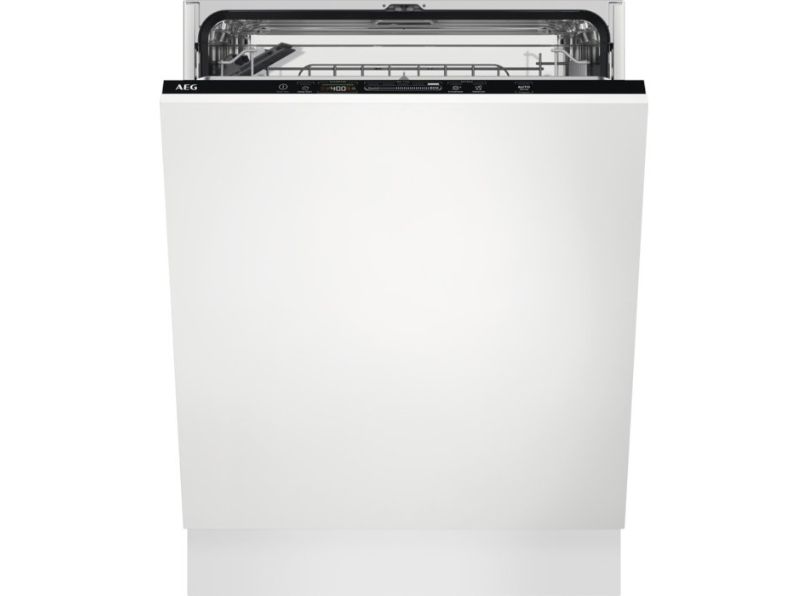
Sharp QW-NI13I49EX-EN Fully Integrated 13 Place Settings Dishwasher
£229.00
The Sharp QW-NI13I49EX-EN is a fully integrated dishwasher designed for built-in kitchen installation, offering a practical solution for family dishwashing needs. With a 13-place setting capacity and adaptable wash programmes, it accommodates everyday crockery, glasses and larger cookware while saving space in your kitchen.
Sharp QW-NI13I49EX-EN Fully Integrated 13 Place Settings Dishwasher — a fitted choice for family kitchens
The Sharp QW-NI13I49EX-EN is a fully integrated (built‑in) dishwasher rated for 13 place settings. It’s positioned for households that want a discreet, space‑saving appliance capable of handling everyday crockery, glasses, cutlery and some larger cookware — essentially a practical option for family kitchens where an unobtrusive finish and a generous single-cycle load matter more than a compact countertop unit.
Before you decide, focus on two things. First, kitchen compatibility: a fully integrated model sits behind a cabinet door and must match your cut‑out, door‑panel arrangement and hinges. Second, capacity fit: 13 place settings suit many small to medium families, but consider how often you run a machine and whether that capacity aligns with your typical load pattern. These points will steer whether this Sharp is the right built‑in choice for your home.
Making the most of the unit’s capacity
The dishwasher’s stated capacity is intended to cover a typical family load: everyday plates, bowls, glasses and cutlery plus some larger items. In practice that means you can usually clear a table for four people in a single cycle and still have room for a few pans or serving dishes if you load deliberately.
To make that capacity work for you:
- Load larger, dirtier items at the sides or back so spray arms have clear paths.
- Place plates and bowls facing the centre and tilt them slightly for better drainage.
- Avoid crowding glassware — leave small gaps to prevent chipping and allow water to reach all surfaces.
Choosing a programme: what “adaptable” typically means
“Adaptable” programmes normally let you match cycle intensity to soil level and item type — from quicker, light‑soil cycles for glasses to heavier cycles for baked‑on food. Programme choice affects both cleaning performance and cycle time: shorter cycles use less time but may use more water or energy per minute, while eco or low‑temperature cycles can save resources but may need a rinse or pre‑soak for heavily soiled pans.
Because the exact programme names and durations aren’t supplied here, check the control panel or manual for:
- Quick/express cycles for lightly soiled loads
- Intensive or heavy programmes for pots and pans
- Delicate/eco options for glassware and mixed loads
- Any half‑load or adjustable‑rack options that let you run smaller loads efficiently
Daily loading and basic upkeep
Good loading and simple maintenance keep results reliable. Practical daily habits include:
- Scrape large food debris before loading but avoid heavy pre‑rinsing; most modern programmes handle typical soils.
- Arrange cutlery handles down for better cleaning and to reduce nesting; use a basket or tray as supplied.
- Check spray arms after loading to ensure they rotate freely and aren’t blocked by tall items.
- Wipe door seals and clean the filter regularly (if accessible) to prevent smells and maintain drainage.
Confirm whether this model includes a rinse‑aid reservoir, salt compartment or a removable filter system before relying on specific maintenance steps — those details are not provided here and affect routine care. Also check documented programme times if cycle length matters for your household routine.
Fitment, connections and specification checks
Before ordering, confirm the physical and technical details installers need and the missing spec items that affect daily use and serviceability.
- Cabinet cut‑out and front‑panel mounting: exact external and cut‑out dimensions, whether the appliance takes a custom door and any hinge/weight limits or mounting kit included.
- Control location and access: are controls concealed on the top edge of the door or accessible on the front—this affects use when the cabinet door is fitted.
- Electrical requirements: supply type (plug or hardwired), voltage, fuse/cable rating and whether a dedicated circuit is needed.
- Plumbing connections: inlet fitting type, required water pressure range, drain routing and whether hoses/fittings are supplied.
- Installation kit and service: check if skirts, brackets or installation labour are included or sold separately and whether professional installation is recommended.
- Performance and running info to obtain: energy rating, annual energy/water consumption and noise (dB) level for night‑time kitchens.
- Programme details and timings: full programme list, cycle durations and any half‑load or rapid options to match your routine.
- Accessories and consumables: confirm presence of cutlery basket/tray, salt and rinse‑aid compartments, filter type and whether spare parts are listed.
- Commercial/identity checks: request the EAN/GTIN or manufacturer part number and clarify what the “‑EN” suffix denotes for spares and UK support.
- Warranty and UK service: length, what’s covered, how to obtain repairs and availability of spare parts locally.